
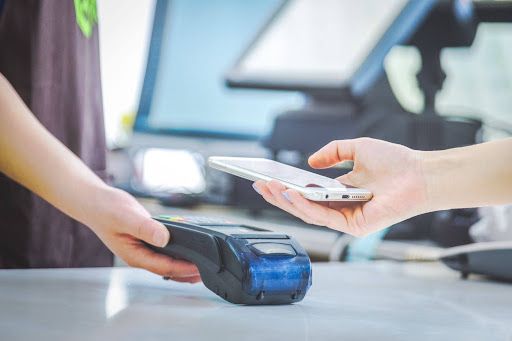
The way customers pay for goods and services has evolved significantly over the past decade. Businesses today are expected to accept multiple payment methods, including credit cards, debit cards, contactless payments, mobile wallets, and digital payment applications. To meet these expectations, modern businesses rely on advanced payment terminals that offer fast, secure, and convenient transaction processing.
Investing in reliable payment terminals is essential for businesses that want to improve customer experience, streamline checkout processes, and support business growth. Whether used in retail stores, restaurants, hospitality businesses, or service industries, these devices help merchants process transactions efficiently while maintaining high security standards. Modern payment terminals now support EMV chip cards, NFC contactless payments, QR codes, and digital wallets, making them an integral part of today's payment ecosystem.
What Are Payment Terminals?
Payment terminals are electronic devices that allow businesses to securely accept electronic payments from customers. They communicate with payment processors and financial institutions to authorize transactions and transfer funds.
Modern payment terminals typically support:
- Credit cards
- Debit cards
- Contactless cards
- Mobile wallets
- QR code payments
- NFC-enabled devices
These capabilities allow businesses to provide flexible payment options while improving the overall checkout experience.
Why Payment Terminals Are Essential for Businesses
As consumer payment preferences continue to evolve, businesses must offer secure and convenient payment options to remain competitive.
Organizations using payment terminals often benefit from:
- Faster checkout processes
- Improved customer satisfaction
- Enhanced payment security
- Reduced cash handling
- Better transaction accuracy
- Increased operational efficiency
- Support for multiple payment methods
Providing various payment options helps businesses serve a wider customer base while improving the shopping experience.
Types of Payment Terminals
Different industries require different payment solutions depending on their operational needs.
Countertop Terminals
These are commonly used in retail stores, supermarkets, pharmacies, and service counters where payments are processed at a fixed checkout location.
Mobile Payment Terminals
Portable devices allow businesses to accept payments anywhere within a store or at off-site locations, making them ideal for restaurants, delivery services, and field operations.
Smart Payment Terminals
Smart terminals combine payment processing with business applications, customer management, inventory tracking, and reporting features.
Self-Service Payment Kiosks
Frequently used in transportation hubs, parking facilities, and quick-service restaurants, these terminals allow customers to complete transactions independently.
Key Features of Modern Payment Terminals
Businesses selecting payment terminals should evaluate several important features.
Multiple Payment Acceptance
Modern terminals support chip cards, magnetic stripe cards, contactless payments, QR codes, and digital wallets to accommodate changing customer preferences.
Fast Transaction Processing
Quick authorization reduces waiting times and improves customer satisfaction during busy business hours.
Security and Compliance
Payment terminals use encryption and secure authentication technologies to protect payment information. Businesses should also ensure their devices comply with PCI DSS security standards for handling payment card data.
Connectivity Options
Modern terminals often support:
- Wi-Fi
- Ethernet
- Bluetooth
- 4G/5G connectivity
Flexible connectivity helps maintain reliable transaction processing in different business environments.
Benefits of Integrating with Business Operations
Many modern payment terminals integrate with inventory management, sales reporting, and customer management software.
Integration provides several advantages:
- Real-time sales tracking
- Inventory updates
- Digital receipts
- Customer purchase history
- Employee performance monitoring
- Business analytics
Many businesses also integrate their terminals with a point of sale system to simplify billing, inventory management, and customer transactions.
Best Practices for Using Payment Terminals
To maximize performance and security, businesses should follow several best practices:
- Keep software updated
- Train employees on proper usage
- Regularly inspect devices
- Monitor transaction activity
- Use secure network connections
- Schedule preventive maintenance
Routine maintenance helps improve reliability while reducing the risk of service interruptions.
Common Mistakes to Avoid
Businesses should avoid several common issues when implementing payment terminals.
These include:
- Using outdated hardware
- Ignoring software updates
- Failing to secure payment networks
- Not training staff properly
- Choosing terminals without future scalability
- Overlooking security compliance
Addressing these challenges helps improve operational efficiency while protecting customer payment information.
Future Trends in Payment Technology
Payment technology continues to advance with innovations designed to improve speed, convenience, and security.
Emerging trends include:
- AI-powered fraud detection
- Biometric authentication
- Cloud-based payment management
- Contactless-first payment experiences
- Digital wallet expansion
- Smart business analytics
As businesses continue adopting digital payment technologies, payment terminals are becoming increasingly integrated with broader retail management solutions and customer engagement platforms.
Conclusion
Modern businesses require secure, efficient, and flexible payment solutions to meet evolving customer expectations. Whether operating a small business or managing multiple retail locations, integrating point of sale systems for retail with reliable payment processing infrastructure can help streamline operations, improve transaction accuracy, and create a seamless checkout experience for customers. From faster transactions to enhanced security and improved operational efficiency, investing in advanced payment technology supports better customer experiences and long-term business growth.